




In fitness culture, the six-pack gets all the attention. Scroll feeds and you see carved abs everywhere. They look sharp. They sell programs. They inspire. Yet abs are only part of the story. A strong core matters more for real life. It supports your spine. It helps you lift, run, twist, and breathe well. You can train for both. Aim for strength first. Let definition follow.
What Exactly is a Six-Pack and What Makes Abs Visible?
Your six-pack muscles are called the rectus abdominis. They run from your ribs down to your pelvis, helping flex the spine and brace your core. But they’re only the surface layer. Beneath them are deeper core muscles, transverse abdominis, internal and external obliques, multifidus, diaphragm, and pelvic floor. These muscles play a bigger role in stability. They control rotation, support posture, and protect your back. So, abs are not your entire core, they’re just the top layer you see.
If you want your six-pack to show, two main factors matter most. Body fat percentage is the first. For most men, visible abs appear around 10–12% body fat, while for women it’s usually around 16–20%. These are average ranges, not strict rules, and remember health does not depend on visible abs. The second factor is genetics. Some people naturally store more fat around the waist, while others hold it in the hips or thighs. Even muscle shape varies from person to person. You can train and diet smart, but you can’t completely change your genetic blueprint.
Lifestyle choices push the needle too. Poor sleep makes hunger rise and energy fall. High stress can raise cravings and waist fat. Alcohol adds easy calories. Good routines help. Sleep seven to eight hours. Manage stress with walks, breath work, or light cardio. Keep weekends in check.
There is also the type of fat to consider. Subcutaneous fat sits under the skin. It hides muscle lines. Visceral fat sits deeper around organs. It is a health risk. Reducing visceral fat improves health first. Chasing lines is optional.
Want a quick visual on the anatomy and basics? Watch this clear overview.
It breaks down muscles and common myths in simple terms.
Core Training for Strength and Stability
A strong core resists movement as much as it creates it. Train all three planes. Sagittal is front to back. Frontal is side to side. Transverse is rotation. Use both static and dynamic work.
A strong, toned, and well-conditioned core acts like a protective shield for your spine. Instead of the load transferring directly to your lower back, your core muscles absorb and distribute the pressure. This makes your back stronger, healthier, and less prone to injury. In fact, as highlighted in a recent article in The Economic Times, strengthening the core is increasingly being recognized as one of the most effective ways to prevent lower back pain, since it allows the body to handle stress and load more efficiently.
Static work builds stiffness and control. Start with the plank. Keep your ribs down and glutes tight. Add the side plank to target the obliques. You can also try the Pallof press using a band or cable. Stand tall and press the handle out without letting your torso twist. Need a quick visual? Check out this short demo.
Dynamic work builds strength through motion. Crunches and sit-ups are fine when done slowly. Russian twists train rotation. Hanging leg raises hit hip flexors and lower abs. Cable woodchoppers tie the core to the hips.
Best Exercises for Abs
Beginners can start with four moves. The plank for 20–45 seconds. The dead bug for 8–12 slow reps per side. The bird dog for 8–12 reps per side. Bicycle crunches for 12–20 total reps. Keep your lower back neutral. Breathe on every rep.
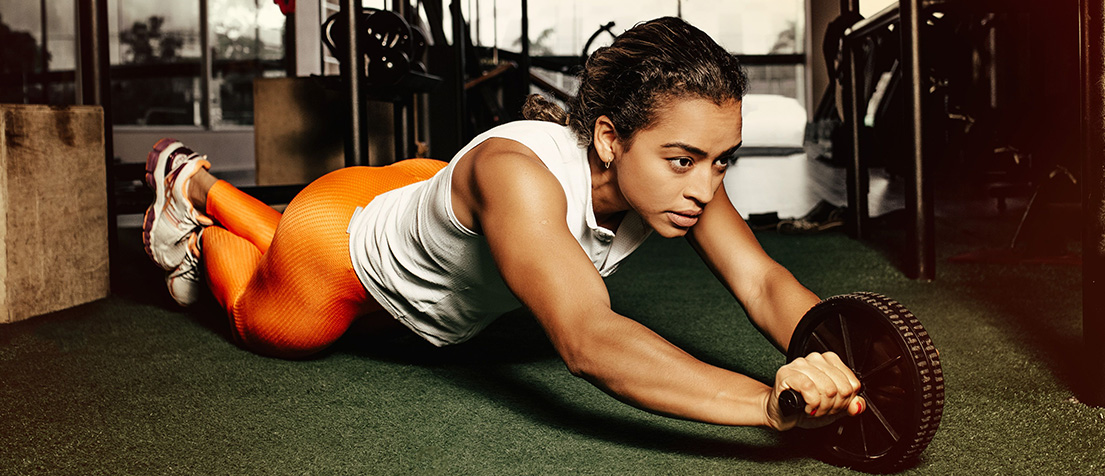
Ready for more? Use hanging knee or leg raises. Rollouts with a wheel or barbell. Weighted sit-ups with a plate at the chest. Cable crunches with a rope. Keep the range small at first and control each inch. Add load only when the form is crisp. Want to see how it’s done? Check out this quick routine for beginner to advanced options.
Compound lifts count as core work too. Squats, deadlifts, and overhead presses teach bracing. Farmer’s carry build grip and trunk stability. Add them to your week even if abs are the goal. They build muscle everywhere. They also burn more calories.
Diet for Six-Pack Abs
Food reveals the work you do in the gym. You need a calorie deficit to lose fat. Do not crash diet. Aim to lose about 0.25–0.5 kg per week. Track intake for a few weeks. Learn your habits. Eat mostly whole foods. Leave room for small treats so you can stay on track.
Protein is your anchor. Get 1.6–2.2 grams per kilogram of body weight per day. It protects muscle in a deficit. It keeps you full. Carbs fuel training. Choose oats, fruit, rice, potatoes, and legumes. Time more carbs around workouts. Fats support hormones and absorption. Use olive oil, nuts, seeds, and avocado. Keep fiber high. Drink water often. Swap sugary drinks for water or zero calorie options.
Here is a simple video that links diet and ab training without the hype.
Sample meal structure helps. For men at moderate size, think three meals and a snack. Each meal has a palm to two palms of protein. A fist or two of veggies. A cupped hand or two of carbs around training. A thumb or two of fats. Women can use slightly smaller portions. Use one palm of protein. One fist of veggies. One cupped hand of carbs around training. One thumb of fats. Adjust by results. If weight drops too fast, eat a bit more. If it stalls for weeks, trim it a bit.
Micronutrients matter. Vitamins and minerals support energy and recovery. Color your plate. Add berries, greens, peppers, tomatoes, and citrus. Include dairy or fortified options if you tolerate them. If you do not, talk to a pro about calcium and vitamin D.
Differences Between Men and Women
Men and women can train with the same exercises. The core does not need gendered moves. The main differences show up in body fat levels, hormones, and recovery.
Men often build muscle faster due to higher testosterone. They may see abs at higher body fat than women. Women carry more essential fat for health. Many women feel best with slightly more dietary fat. Some may need extra carbs at certain points in the cycle. Track your biofeedback. Adjust food and training by how you feel and perform.
Recovery can vary. If sleep is low or stress is high, lower volume and keep technique sharp. If energy is high, push heavier sets or longer holds. The goal is steady progress without flare-ups.
A Simple Weekly Core Plan
Use this five day template. It slots into most programs.
Day 1: Full body lift plus core. Squat pattern. Pull pattern. Push pattern. Finish with plank 3 x 30–60 seconds and dead bug 3 x 8–12 per side.
Day 2: Conditioning and rotation. Do intervals on a bike or rower for 12–20 minutes. Add Russian twists 3 x 12 per side and Pallof press 3 x 10 per side.
Day 3: Rest or active recovery. Walk 30–45 minutes. Do light mobility and breath work.
Day 4: Full body lift plus anti-rotation. Deadlift pattern. Overhead press. Row. Finish with side plank 3 x 20–45 seconds per side and farmer’s carries 4 x 30–60 seconds.
Day 5: Abs focus. The hanging knee raises 4 x 8–12. Cable woodchoppers 3 x 10 per side. Ab wheel rollouts 3 x 6–10. Finish with a short finisher like a 10 minute easy jog.
Weekend: Choose one hike or long walk. Prep meals for the week. Sleep a bit more.
Helpful Habits That Reveal Abs
Lift three days per week. Hit steps daily. Sleep seven to eight hours. Eat protein at each meal. Drink water with every meal. Front load veggies. Keep treats planned. Cut back on liquid calories. Limit alcohol to the weekends or skip it for a phase. Manage stress with simple tools. Try a five minute box breathing session. Or go for a short walk after meals.
Stay patient. Most people need months, not weeks. The leaner you get, the slower it goes. Keep strength, keep muscles, hold the course.
Safety and Form First
Never ignore the sharp pain, pay attention to what your body tells you. If your lower back is giving you a bad time, it is time to take a step back, and re-evaluate your posture. Keep your spine in the correct alignment at all times even during a heavy lift and support your core by a gentle exhalation while giving the ribs a rest. If you have the opportunity, always partner with a certified coach to fine-tune your skills; not only can it keep you from getting injured but also make your progress faster. Put first the controlled, well-done reps instead of going after big numbers. Always keep in mind that gradual progress is the norm and will be coming along with your time.
Quick FAQ
How long does it take to see abs? Most people need 12–24 weeks of steady training and a small calorie deficit. Bigger changes take longer. Which ab exercise is best? The one you can do well and progress over time. Planks, rollouts, and hanging raises are top picks. Do you need cardio? Yes, some cardio helps burn calories and boosts heart health. Two to three short sessions a week is enough for most people.
Putting It All Together
A strong core and visible abs are the result of intelligent, regular workouts, not the result of following the latest trends or the countless unsubstantiated tips that are spread out on the web. Concentrate on working the whole trunk with the combination of static and dynamic exercises. Do heavy lifting but make sure you use the correct technique and support your abs workout by doing more walks and giving priority to good sleep. Keep to a diet that is mainly whole foods with a minor calorie deficit. Let your advancement be based on the data you can measure, not on the advice that can lead you wrong. When things are going badly, be kind to yourself; when things are going well, keep going. Ultimately, it is a well-thought-out plan and the regular effort that actually brings about the results.
Want a clear, no-fluff home core session to follow? Try this 12-minute video and move with it.
If you lift in a gym and want a short add-on, this sequence works well.
Chasing a six-pack should not cost your health. Build a core that lets you live better. If the lines show, great. If they do not, you still win. Strength helps you every hour of the day. Start today. Keep it simple. Keep it steady. Let the results stack up week by week consistently.